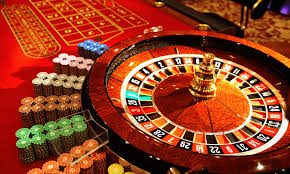
Casinos have long been centers of entertainment, fortune, and risk. Their paitoangka allure transcends cultures, attracting millions of visitors each year to experience the thrill of chance and the potential of winning big. From their ancient origins to the modern, glitzy resorts found in places like Las Vegas and Monaco, casinos have evolved into more than just places to gamble—they’ve become iconic symbols of luxury, excitement, and entertainment.
A Brief History of Casinos
The roots of casino gambling can be traced back to ancient civilizations. The concept of games of chance dates back as early as 3000 BC in Mesopotamia, where people played dice games. The ancient Romans also had their version of betting and games of chance, often enjoyed in their forums and arenas. In fact, the term “casino” itself comes from the Italian word for “small house,” which referred to the gaming rooms built into aristocratic villas in the 17th century.
The first modern casino, the Casino di Venezia in Venice, opened in 1638 and set the stage for the global gambling industry. It wasn’t until the 19th century, however, that casinos began to take on their current form. In the 1800s, the rise of Las Vegas and Monaco as gambling hubs cemented the role of casinos in society, expanding them into multi-purpose entertainment complexes.
The Role of Casinos in Modern Society
Today, casinos are integral parts of many tourism industries. They are no longer just places to gamble but also have evolved into lavish resorts offering a wide range of amenities, including hotels, restaurants, nightclubs, theaters, and even shopping malls. The glimmer of neon lights and the hum of slot machines or the shuffle of cards have become synonymous with luxury and escapism. But casinos are more than just places for high-rollers and tourists; they also play a vital role in the economy.
Casinos contribute significantly to local and national economies through employment, taxes, and tourism. The presence of a major casino resort can revitalize an entire region, creating thousands of jobs in areas like hospitality, entertainment, and services. The revenue generated from gaming taxes often contributes to infrastructure projects and public services, making the casino industry a crucial component of local and national development.
The Evolution of Casino Games
While many people think of poker, blackjack, and roulette when they imagine a casino, the world of gambling is vast and varied. Over the years, the landscape of casino games has evolved, embracing technology and new forms of entertainment.
- Slot Machines: The modern slot machine, or “one-armed bandit,” revolutionized casino gaming. Originally mechanical and simple in design, they have now transformed into sophisticated digital machines that feature complex graphics, animations, and bonus rounds. Slots are now the most popular form of casino entertainment, making up the majority of casino profits.
- Poker: Poker has a storied history, evolving from a traditional card game to one of the most popular and competitive games in the world. Texas Hold’em, in particular, has gained international recognition, thanks in part to televised tournaments like the World Series of Poker (WSOP). Poker’s skill-based nature sets it apart from games of pure chance, adding an intellectual and psychological element to the experience.
- Table Games: Traditional table games like blackjack, roulette, baccarat, and craps continue to be staples in the casino world. These games often attract high-rollers looking to test their luck, but they also cater to casual gamblers due to their simple yet engaging rules.
- Online Casinos: In recent years, the emergence of online casinos has further expanded the gambling experience. Online platforms offer a wide range of games from classic table games to live dealer options, allowing players to enjoy the casino experience from the comfort of their homes. The rise of mobile gaming has also made it easier than ever for people to gamble on the go.
The Psychology of Gambling
At its core, the casino experience is rooted in human psychology. The thrill of taking risks, the hope of hitting a big win, and the allure of luxury all contribute to the appeal of casinos. For many, the excitement of gambling isn’t just about the potential financial gain but the emotional highs and lows that come with each roll of the dice or spin of the wheel.
Casinos are designed with psychology in mind. The lack of clocks, dim lighting, and carefully crafted soundscapes help create an atmosphere where time feels irrelevant. The sounds of slot machines, the cheers of winning players, and the scent of freshly brewed coffee or champagne all work together to heighten the emotional experience.
However, the psychology of gambling also has its darker side. Gambling addiction is a real concern for some players, and the industry is working to balance entertainment with responsible gaming practices. Many casinos now provide resources for problem gamblers, offering self-exclusion programs, setting betting limits, and promoting awareness of the risks of excessive gambling.
The Future of Casinos
As technology continues to advance, the future of casinos looks bright and dynamic. Virtual reality (VR) and augmented reality (AR) are expected to play an increasingly important role in creating immersive, next-level gaming experiences. Casino-goers may soon be able to step into a fully digital casino where they can interact with dealers, other players, and the environment in a way that feels even more real than ever before.
Blockchain technology and cryptocurrencies are also making waves in the industry. Some casinos have already adopted cryptocurrencies like Bitcoin as a payment method, and the potential for decentralized gaming platforms powered by blockchain could reshape how casinos operate. These technologies offer new opportunities for transparency, security, and innovation, paving the way for the next generation of online gaming experiences.
Conclusion
Casinos are far more than just places to gamble. They are cultural landmarks, economic powerhouses, and centers of entertainment. From their humble beginnings to their modern-day forms as integrated resorts, casinos continue to captivate people around the world with their promise of excitement and fortune. Whether it’s the thrill of a big win or the ambiance of a high-stakes poker game, casinos will likely remain a central aspect of global entertainment for years to come. As technology, regulations, and society continue to evolve, the future of casinos looks both exciting and unpredictable.